
 Wednesday, February 4, 2026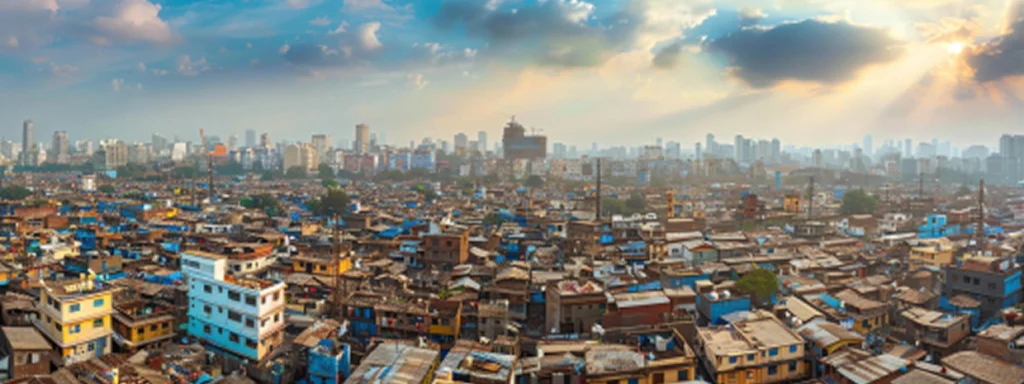
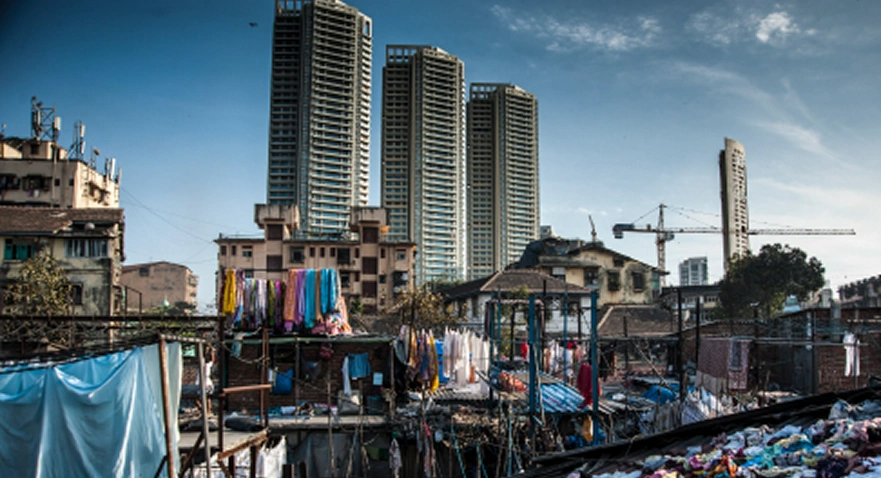
As Mumbai’s ambitious Dharavi redevelopment gains real‐world momentum, its online counterpart has been caught in a swirl of hyperbole and half‐truths. In mere clicks, social-media posts have painted a picture of wholesale displacement – claims that every one of Dharavi’s roughly 1.4 lakh tenements and 10 lakh residents faces eviction without recourse.
The reality, documented in official plans and confirmed by project leadership, is far more layered: a tenure-based rehousing framework designed to deliver “housing for all”, not blank-check removal.
How Misinformation Takes Root
In the digital echo chamber, nuance is the first casualty. A single post declaring “every Dharavi resident must move out” can ripple across thousands of feeds before a fact-check appears.
What the Rumors Say
Left unchecked, such narratives can derail community trust. But they flatten a complex policy into clickbait and leave out the very real assurances being extended.
Anxiety spreads through alleyways as densely as people roam them. Yet, a careful look at the Slum Rehabilitation Authority’s guidelines and the joint venture’s road map shows no blanket eviction-only tiered relocation tied to clear eligibility dates.
The Real Plan: Eligibility By Tenure

Who: Families occupying
tenements before January 1,
2000.

What: Entitled to a 350 sq ft free flat,
either within the newly rebuilt Dharavi
or on adjacent railway-owned land.

Why: it matters: Matches long-standing
SRA rules granting free rehabilitation to
ground-floor occupiers.
Who: Households that moved in
between January 1, 2000 and
December 31, 2011.
What: Offered a 300 sq ft flat in new
townships outside Dharavi at subsidized
rates (approximately ₹2.5 lakh per unit).
Why: Those arriving after 2011 are not
eligible for free units but may access rental accommodations under separate schemes.
Under guidelines approved by the Slum Rehabilitation Authority (SRA), eligibility hinges on the move-in date:
As SVR Srinivas, CEO of the Adani-Maharashtra venture overseeing redevelopment, told reporters in Mumbai: “No one in Dharavi will be left behind. This is about housing for all, not just ground-floor tenements”. Far from pitting “old timers” against “new arrivals,” these cut-offs are a transparent mechanism to allocate a finite stock of homes.
Door-To-Door Survey: A Pillar Of Transparency
To ensure every household is counted, authorities have embarked on an exhaustive door-to-door socio-economic survey:
Scope: Over 63,000 tenements surveyed to date, including upper-floor dwellers and informal tenants on railway land.
Process: Teams collect ID proofs, family details, and photographs; each household receives a receipt confirming their data is logged.
Video Feedback: Short video clips of residents giving honest feedback are recorded to guard against coercion.
Helpline & Outreach: A 24×7 multilingual helpline and community-leader briefings keep residents informed at every step.
While speaking to the media, officials explain that any family missing the first survey pass will be revisited – a clear rebuttal to claims of arbitrary exclusion. Through mobile apps, laser-rangefinders, and LiDAR mapping, surveyors capture precise measurements, underscoring that “every structure counts”, as one official put it.
Fact-Checking in Action
Myth: “Every resident must relocate offsite.”
Fact: Pre-2000 families stay within Dharavi’s footprint, latecomers relocate to outlying townships.
Myth: “No process helps residents with documentation.”
Fact: An exhaustive, door-to-door survey collects IDs, family details, even short video testimonials to ensure consent.
Myth: “Longtime occupants are unfairly sidelined.”
Fact: On-site flats are reserved for pre-2000 occupants; transparency measures, including receipts, helplines, and community outreach, protect all tenants’ rights.
By separating fact from fiction, the project team has defused rumors of coercion and underscored its commitment to due process.
Beyond Housing: Building A Liveable Community
Redevelopment isn’t merely about bricks and mortar. Of Dharavi’s 590 acres, only 35-40% will host high-rise blocks; the balance will transform into roads, parks, and public amenities. Promised facilities include:
Schools, colleges, and vocational centers
Hospitals, clinics, and wellness hubs
Community centers, playgrounds, and sports grounds
Temples, mosques, and churches, all preserved or rebuilt to honor cultural diversity
Navbharat Mega Developers Pvt. Ltd. – the Adani-led special purpose vehicle – has already marshaled ₹2,000 crore seed capital for site clearance and initial groundwork. With a total projected investment of ₹23,000 crore, the venture aims to deliver turnkey neighborhoods within seven years, with model flats ready by the early 2030s.
Looking Ahead
Resistance to change is natural, especially in a community woven by decades of shared hardship. Yet, clarity prevails when policy meets communication.
The Dharavi Redevelopment Project codifies who gets what, where, and when – dispelling rumors of mass displacement. While legal challenges and local hearings continue, the facts are unambiguous: pre-2000 residents stay on-site, 2000-2011 settlers get subsidized homes nearby, and all steps are documented, recorded, and helpline-backed.
In an age when misinformation travels faster than facts, it pays to pause before forwarding the next sensational post. For Dharavi’s 10 lakh residents, the promise remains “housing for all”, not abandonment, and their new homes will be ready to prove it.
